
When weight feels harder to control, it may be time
to look deeper
Stubborn weight, persistent cravings, food noise, or the feeling that your metabolism is not responding should not be reduced to willpower alone.
Low T Nation starts from your symptoms and guides you to the next step through clinical evaluation, lab work, and personalized medical guidance.

If your body feels harder to manage than it used to, that matters
Many people spend too long blaming themselves when weight feels harder to manage. At first, it may feel like stress, age, or discipline, but over time it can affect energy, consistency, and confidence.
If your body isn’t responding the same way or staying in control around food feels harder, it’s a meaningful place to start.
You do not need to blame yourself before asking better questions.
This symptom can show up in more than one way
It is not just weight. It can involve hunger, cravings, and metabolism
Stubborn Weight
Weight changes feel harder to manage, even when you are making real effort.
Persistent Cravings
You may feel pulled toward food more often, even when you are trying to stay consistent.
Food Noise
Thoughts about food, hunger, or eating feel louder, more frequent, or harder to shut off.
Metabolic Frustration
What used to work no longer seems to work the same way, and your body feels harder to manage.
Weight resistance and food noise do not always point to one issue
Difficulty managing weight, cravings, or food noise may involve appetite regulation, metabolic factors, thyroid-related concerns, or broader clinical context. It is about understanding the context before moving forward.
Low T Nation does not reduce this to generic dieting advice. The focus is identifying what may be driving the pattern.
The next step may include symptom review, lab work, and provider guidance for a more personalized recommendation.
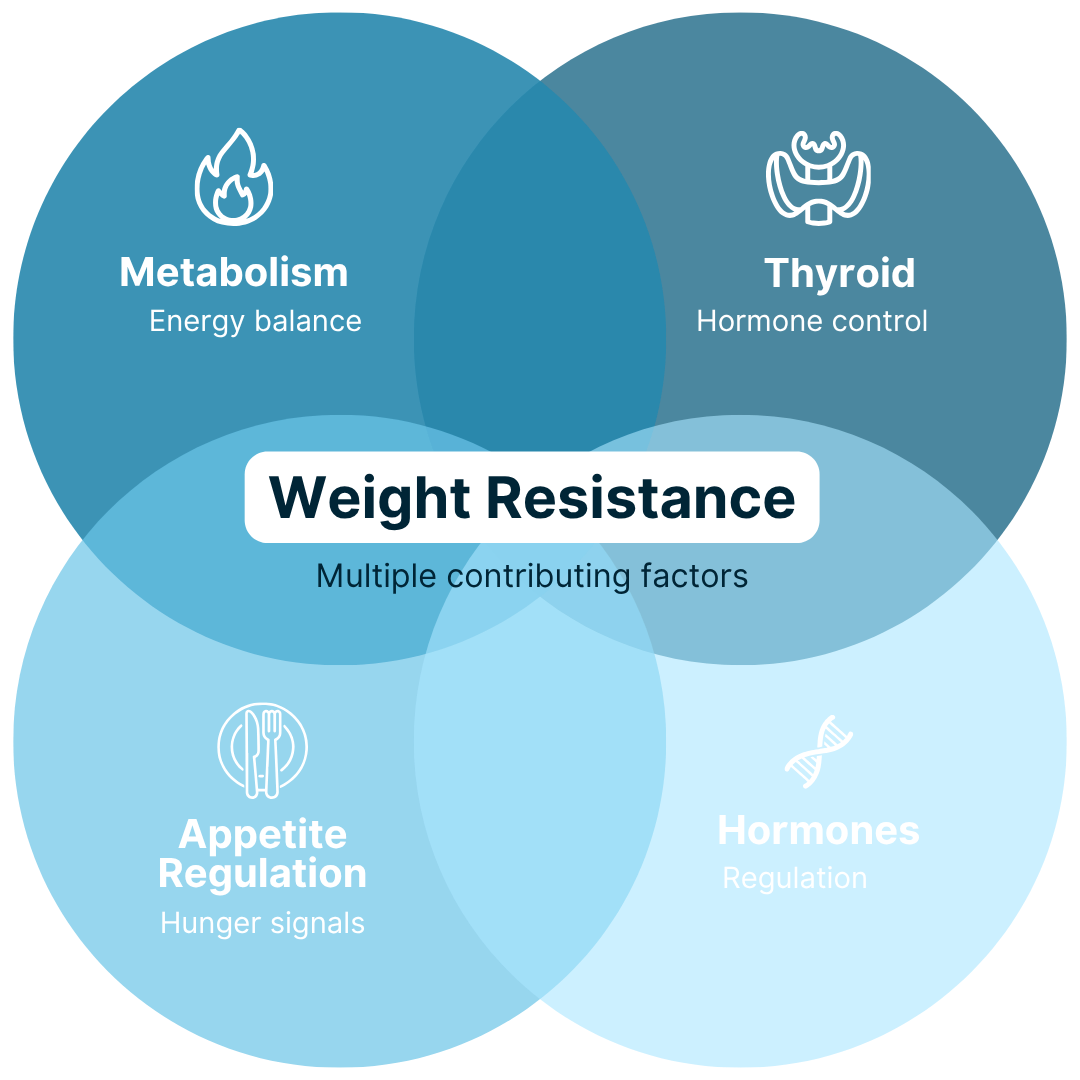
Where the belly fat / food noise route may lead
Depending on what is driving the symptom, patients are often guided toward one or more of these care paths.
Medical Weight Loss
For patients dealing with food noise, cravings, stubborn weight, appetite patterns, or weight-loss resistance.
Thyroid Optimization
For patients whose weight changes, energy, or metabolism may need thyroid-related review.
Labs & Monitoring
For patients who want a data-guided understanding of what may be contributing to metabolic frustration.
A clearer path from metabolic frustration to a plan
You can begin remotely, without needing to have everything figured out first.
Tell Us What Changed
Share your symptoms through the assessment.
Labs
If needed, we guide you through the lab step so decisions are based on data, not assumptions.
Review
Your results and symptoms are evaluated in the context of real clinical judgment.
Plan
Your next step is matched to what makes sense for you, not a generic template.
Monitor
The goal is not a one-time decision. Ongoing care matters.
Weight changes are visible. Data helps clarify
what may be behind them
Weight changes and food noise are real concerns, but they do not always explain why the pattern is happening. Lab work can help create useful clinical context.
That clarity leads to better decisions and more confident next steps.

Clinician-led · 100% medically owned · Personalized · Lab-guided
This is not generic weight-loss marketing
Some people look for shortcuts. Others want something more careful, credible, and medically grounded.
Low T Nation is built for the latter: clinician-led care based on symptoms, lab work, and medical evaluation.
Not a one-size-fits-all approach, but real guidance delivered through telemedicine.

Questions patients often ask about belly fat and food noise
Do I need to know whether this is a weight issue, hormone issue, or thyroid issue before reaching out?
No. Many patients begin with symptoms, not a diagnosis. The first step is helping determine the most relevant route.
What is food noise?
Food noise usually refers to persistent mental pull toward food, cravings, or appetite-related thoughts that feel louder or harder to control than they should.
Can belly fat and food noise point to more than one issue?
Yes. In some cases, these symptoms may overlap with metabolism, thyroid-related concerns, appetite regulation, or other clinical factors that need more context.
Do I need labs to get started?
Not every patient starts from the same place, but lab work often helps guide better decisions, create more context, and support responsible monitoring.
Can I begin remotely?
Yes. Low T Nation is currently positioned as a telemedicine-first care model, so your first step can begin from home.
Can I start with a consultation instead of the assessment?
Yes. If you prefer to speak with the team first, that option should remain easy to access.
You do not have to keep treating metabolic frustration like a personal failure
Start with the assessment if you want help understanding the most relevant route. Start with a consultation if you would rather talk first. The next step should feel clear, supported, and medically grounded.