
Clinical
Leadership
Clinician-led care with real medical oversight
Low T Nation is built around a care model that is medically guided, personalized, and reviewed by a licensed clinical provider, not driven by guesswork or a one-size-fits-all approach.

About Low T Nation
Low T Nation was built to make hormone and metabolic care feel more personal, more medically grounded, and easier to trust. We are a clinician-led, medically owned practice focused on individualized care for adults dealing with fatigue, weight resistance, hormonal imbalance, sexual health concerns, and related symptoms.
Our approach is not built around generic protocols or one-size-fits-all recommendations. Care begins with symptoms, clinical review, and lab data when required, then moves forward through a treatment path designed around the individual. That is what makes the experience feel structured, personalized, and medically guided from the start.

Meet the people behind your care
The people behind the medical experience should be easy to see. Visibility supports trust.
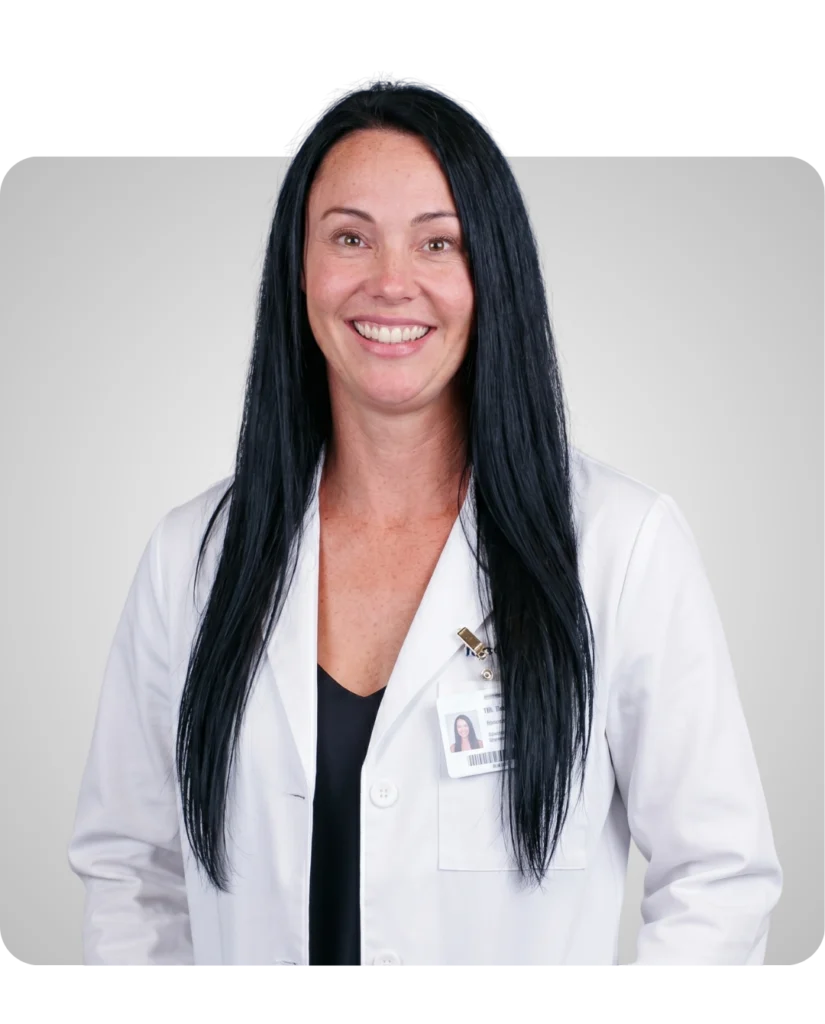
Amanda Money
FNP – CEO & Aesthetics Director
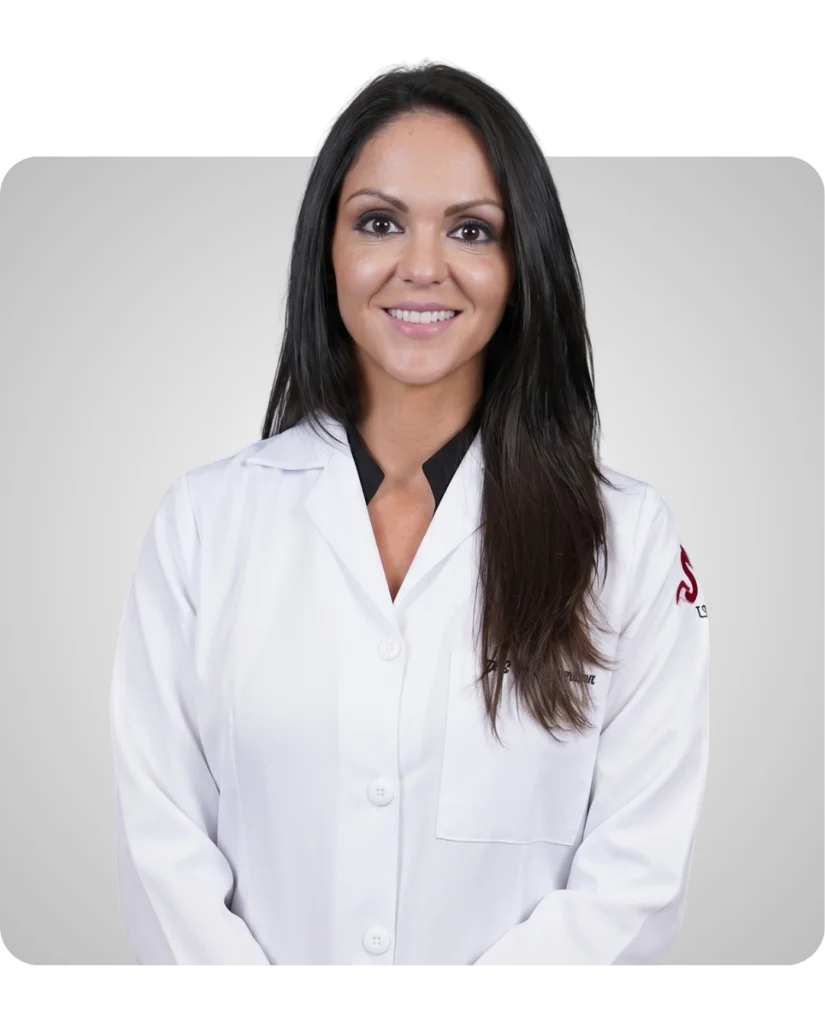
Dr. Maty Pesantes
Chief Operating Officer
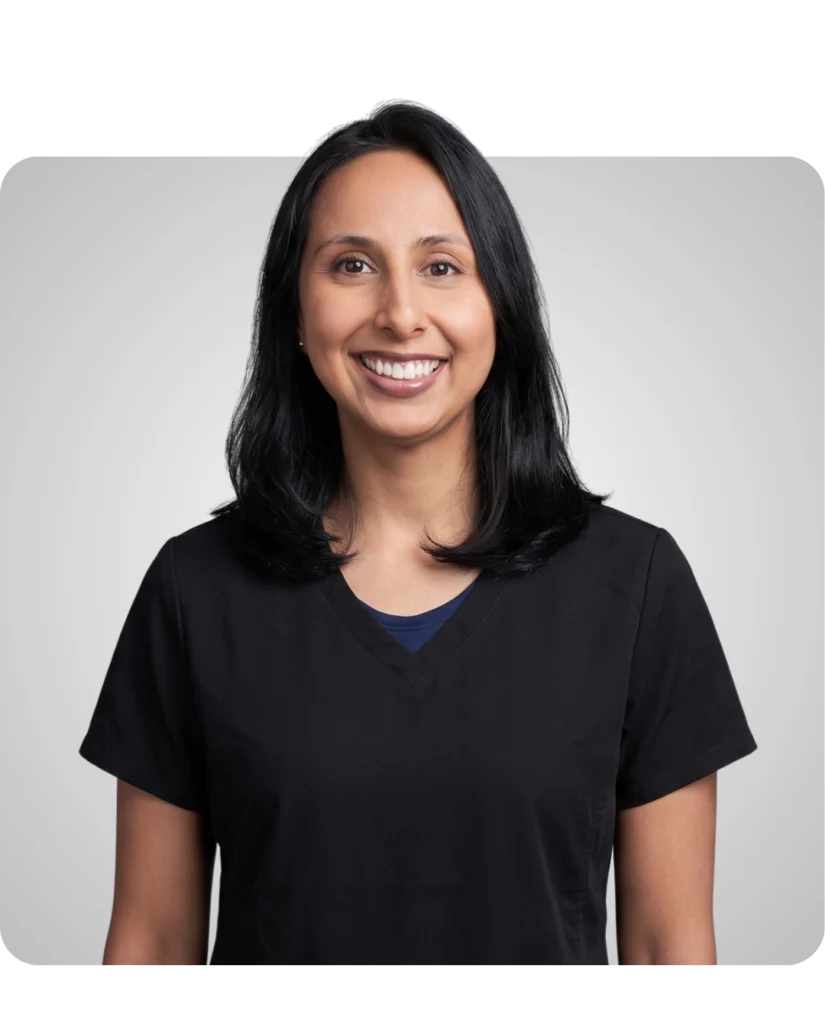
Payal Shah
FNP – HRT Director
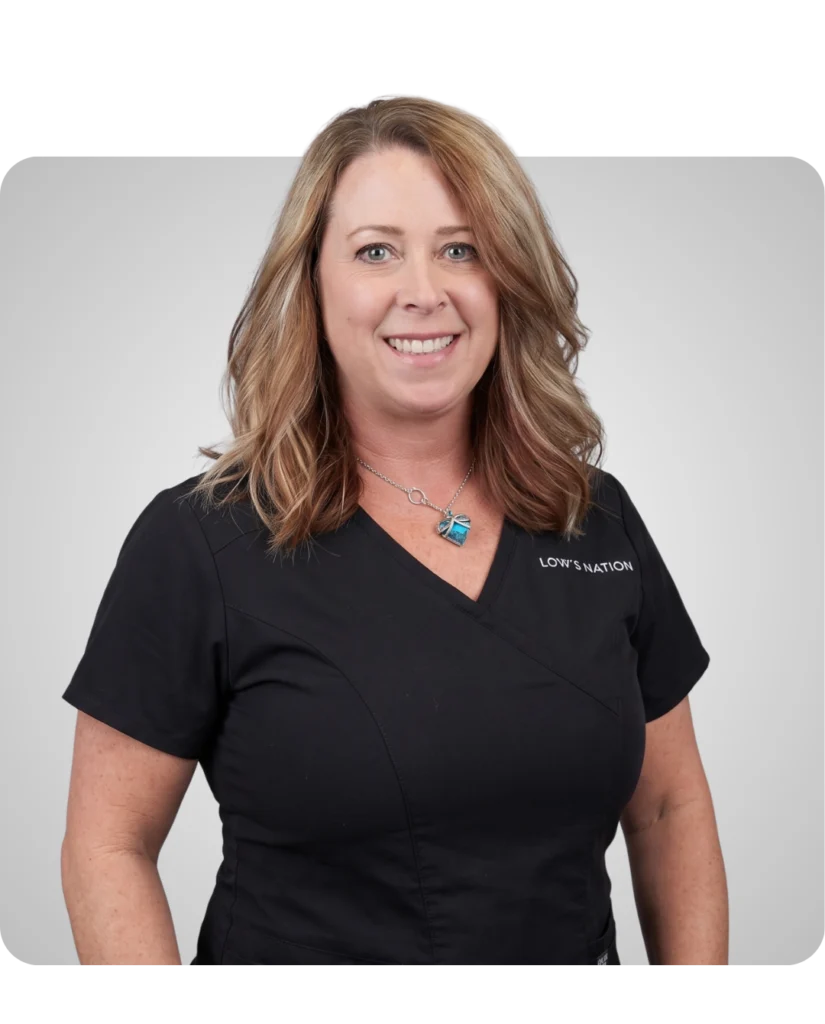
Tammy Stepp
Management
Low T Nation is strongest when patients can clearly see the people behind the care.
Why Clinical Leadership Matters
When patients are considering hormone care, metabolic support, or ongoing monitoring, one of the biggest questions is simple:
Who is actually guiding my care?
That question matters. Especially in telemedicine, trust comes from knowing there is real clinical review behind the process. Low T Nation’s care model is built around clinician-led decision-making, personalized review, and treatment guided by symptoms, labs, and eligibility.

A Care Model Led by Clinical Review
Low T Nation does not position care as an automated wellness shortcut.
The brand’s medical positioning is centered on clinician-led care, medical ownership, and individualized protocols. That means the process is built to support clinical judgment, not just convenience.
This is part of what makes the model different:
care is clinician-led • the business is medically owned • protocols are personalized • lab work plays a central role in decision-making
The Role of Payal, Nurse Practitioner
Payal plays a central role in the clinical process.
The confirmed workflow states that once labs are completed, the patient schedules a consultation with Payal, the Nurse Practitioner. She reviews the lab work and defines the medical protocol. If labs are not completed, treatment is not prescribed.
This gives the care model a clearer clinical structure:
Labs are reviewed before treatment moves forward
The protocol is determined after clinical review
Medical approval is part of the process, not an afterthought
What Clinical Leadership Looks Like in Practice
For patients, clinical leadership should not feel abstract. It should show up in how care is delivered.
At Low T Nation, that shows up through:
- required lab review before prescribing
- one-on-one consultation after labs are completed
- treatment approval based on clinical review
- follow-up labs at 8 weeks and then every 5 months
- the ability to reach out if symptoms come up between follow-ups
This is what helps keep care structured, responsive, and medically guided over time.
Personalized
Not Generic
Care defined by your symptoms and clinical evaluation
Low T Nation is built around individual symptoms and clinical criteria, not fixed protocols. Treatment decisions are based on evaluation, lab review, and ongoing monitoring to ensure care is appropriate at every stage. Care is delivered through telemedicine in Virginia, Alabama, Florida, Texas, and Georgia, and is available to patients 18+. This structure supports a model that remains accountable, personalized, and grounded in medical oversight.
Questions patients often ask first
Short answers here. Deeper process details on the full FAQ page.
Who reviews my labs?
Payal, the Nurse Practitioner, reviews the lab work and defines the medical protocol.
Is treatment prescribed without lab work?
No. If labs are not completed, treatment is not prescribed.
Is care personalized or the same for everyone?
The confirmed service model states that treatment is personalized based on the patient’s symptoms and clinical situation.
Does clinical review still happen in telemedicine? (
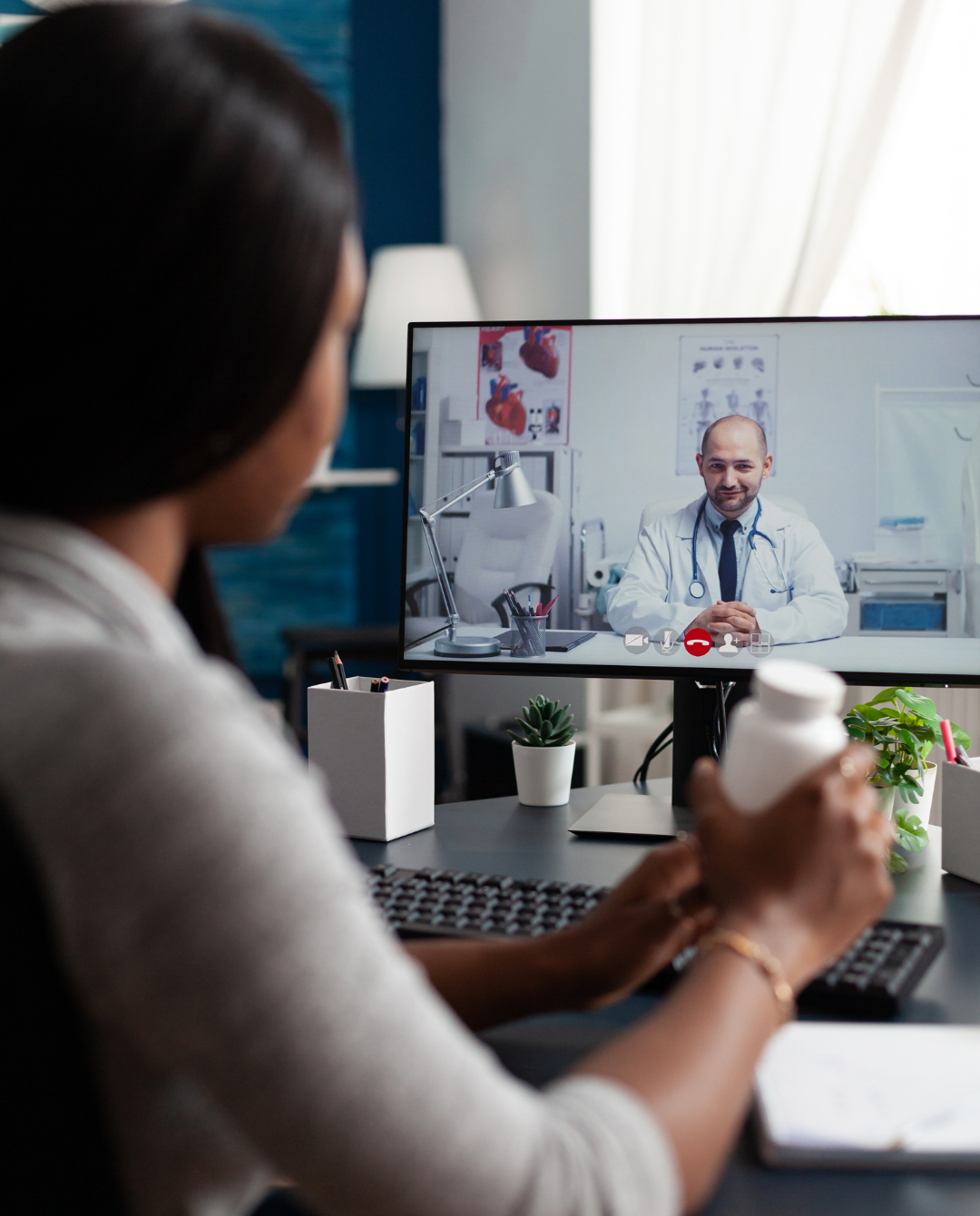
Yes. The telemedicine model still includes lab review, consultation with Payal, protocol approval, and ongoing monitoring.
What kind of follow-up is built into care?
The current process includes follow-up labs at 8 weeks and then every 5 months, with additional lab orders available if symptoms come up.
You do not need to keep guessing
Whether you are dealing with fatigue, weight resistance, hormone concerns, recovery issues, or symptoms that do not fully make sense yet, the next step should feel clear and supported.